Travel Information
About Kruger National Park
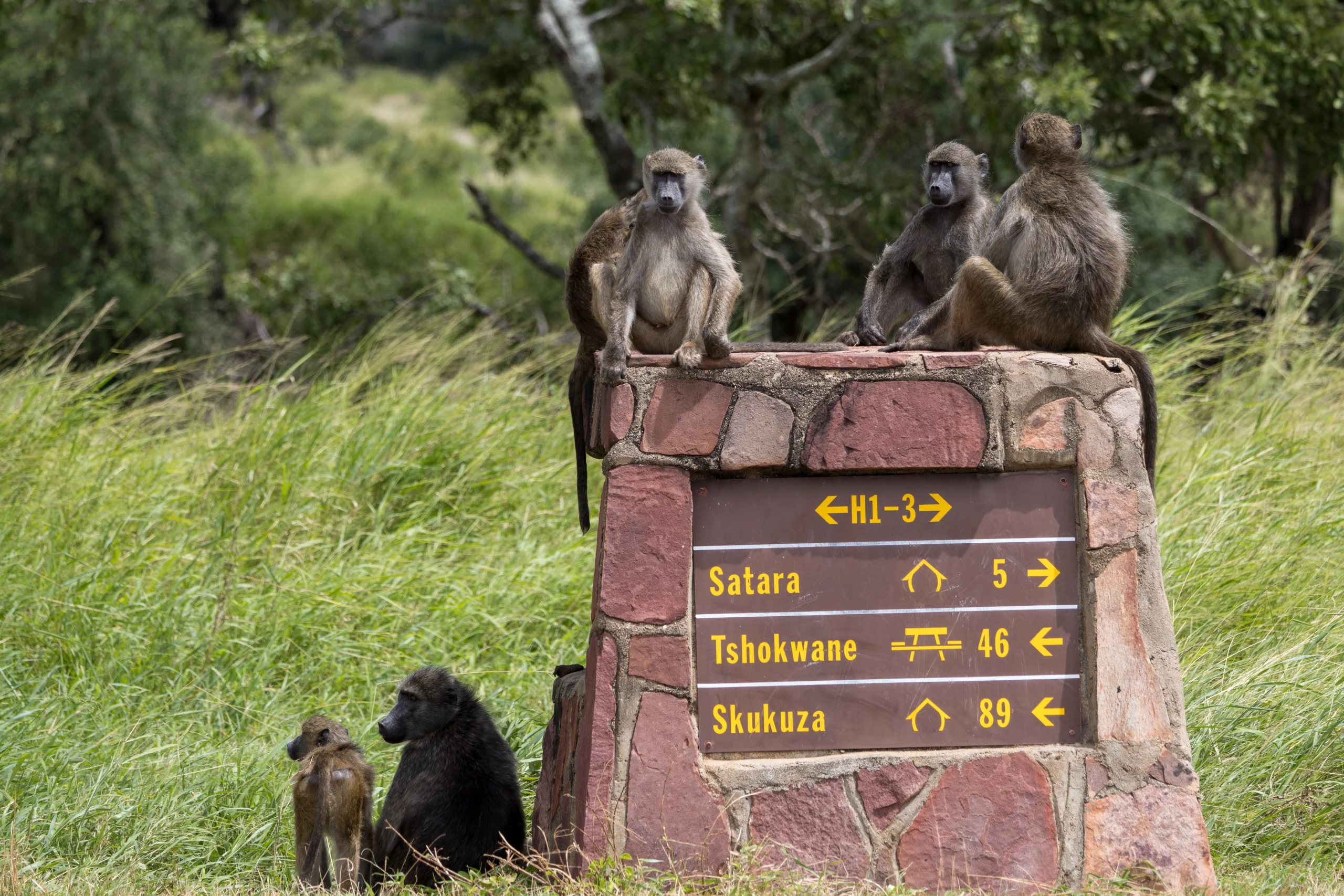
Spanning the provinces of Mpumalanga and Limpopo in the northeast of South Africa, Kruger National Park is one of the most celebrated safari destinations in the world. It is a place where raw wilderness meets remarkable biodiversity, offering visitors a truly authentic African experience. Established in 1926, Kruger is South Africa’s oldest and largest national park, stretching across nearly 19,500 square kilometers of protected wilderness.
However, Kruger National Park’s story began several decades before its official establishment. The idea started with President Paul Kruger, who recognized the urgent need to protect South Africa’s wildlife from overhunting and habitat loss. As a result, in 1898, he proclaimed the Sabie Game Reserve—an early conservation area between the Sabie and Crocodile Rivers. Eventually, this reserve merged with surrounding lands to form the Kruger National Park we know today.
Today, each region of Kruger offers its own unique atmosphere, scenery, and wildlife experience.
Southern Kruger: Ideal for first-time visitors, this region is rich in wildlife and easily accessible. Furthermore, the Skukuza and Lower Sabie areas are famous for lion and elephant sightings.
Central Kruger: Open grasslands attract zebra, wildebeest, and large predators — a dream for photographers. In addition, this region often provides excellent chances to spot cheetahs in action.
Northern Kruger: Remote, untamed, and deeply atmospheric. Moreover, it is known for ancient baobab trees, rare birdlife, and San rock art, making it perfect for travelers seeking solitude and authenticity.
Accommodation Styles in Kruger’s Main Camps
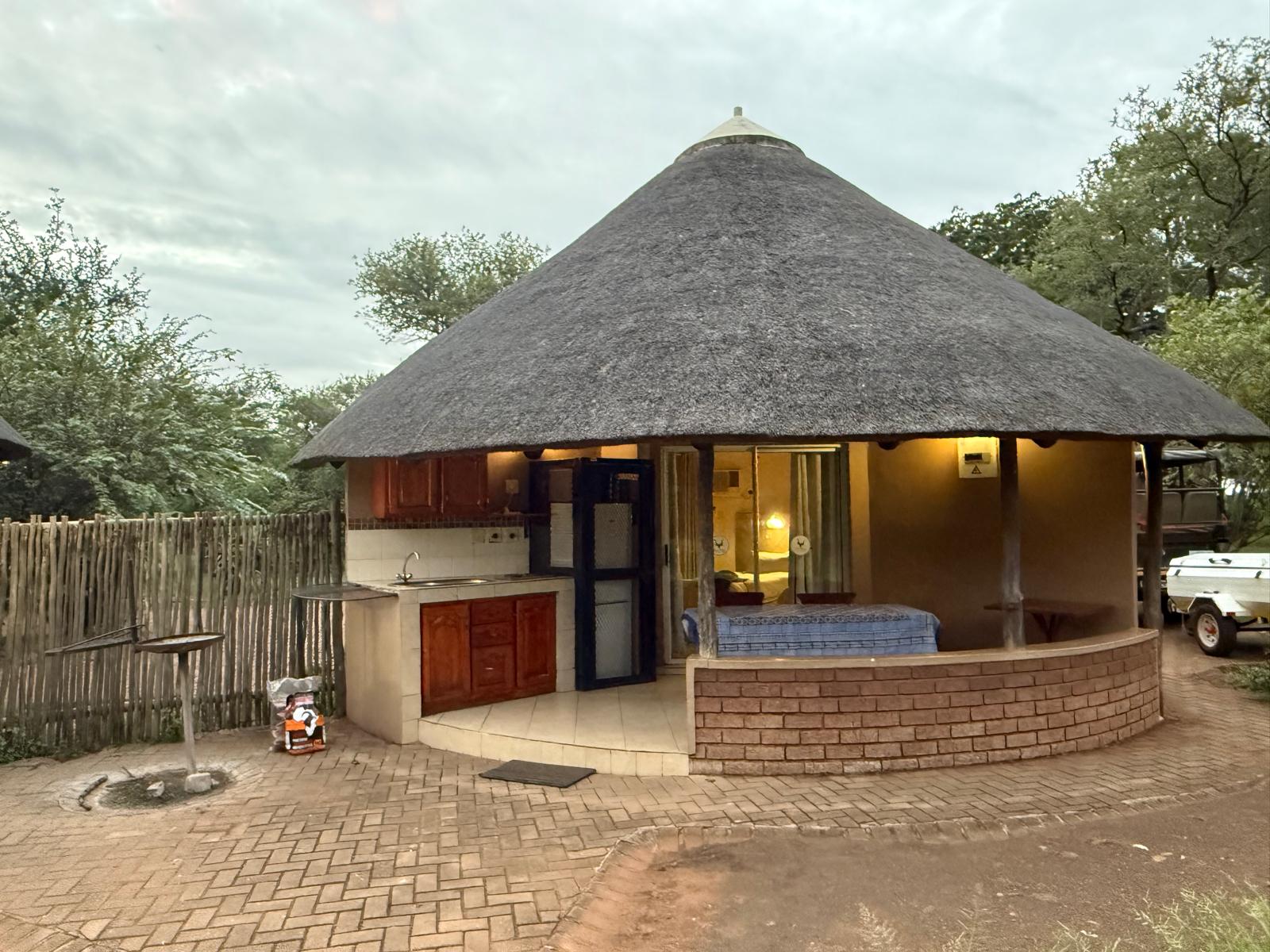
Kruger’s main camps—such as Skukuza Rest Camp, Satara Rest Camp, and Lower Sabie Rest Camp—feature a range of accommodation styles designed to suit different budgets and travel preferences.
Bungalows are the most popular option, offering a rustic yet comfortable stay. Typically equipped with beds, en-suite bathrooms, air-conditioning, and a small veranda, they provide a perfect base for exploring the park.
Self-catering chalets and guest cottages cater to families and groups. These units often include fully equipped kitchens, multiple bedrooms, and private outdoor spaces ideal for longer stays and those who enjoy cooking under the African sky.
For travelers seeking a more social and budget-friendly experience, safari tents and campsites are widely available. These options allow guests to immerse themselves more fully in nature, often falling asleep to the distant calls of lions or hyenas.
At the higher end, guest houses and luxury lodges within camps offer added privacy and premium amenities, including larger living spaces and exclusive settings.
What to Expect from Camp Facilities
Kruger’s main camps are designed to be self-sufficient hubs, ensuring visitors have everything they need without leaving the park.
Most major camps feature restaurants and cafés, where you can enjoy breakfast before a game drive or a relaxed dinner overlooking a riverbed. Well-stocked shops and convenience stores provide groceries, snacks, firewood, and essential supplies.
Fuel stations are available at larger camps like Skukuza Rest Camp, making it easy for self-drive visitors to explore extensively without concern.
Many camps also include swimming pools, offering a refreshing break during the heat of the day, as well as communal braai (barbecue) areas, where evenings are often spent sharing stories under starlit skies.
For those interested in guided experiences, camps serve as departure points for game drives, bush walks, and educational talks, led by knowledgeable rangers who bring the landscape to life.
Weather & Climate
South Africa enjoys a generally mild and sunny climate, making it a year round destination for travel and safari experiences. The country’s weather varies by region, but extreme temperatures are rare and most areas receive plenty of sunshine throughout the year.
Seasons in South Africa
South Africa’s seasons are opposite to those of Europe and North America.
-
Summer: November to March
Summers are warm to hot, with daytime temperatures typically ranging between 25°C and 35°C. Afternoon thunderstorms are common in many inland regions, including parts of the Kruger National Park. These rains are usually short lived and help transform the bush into a lush green landscape.
-
Autumn: April to May
Autumn brings cooler mornings and evenings with pleasant daytime temperatures. Rainfall decreases and conditions become ideal for both travel and wildlife viewing.
-
Winter: June to August
Winters are dry and mild. Daytime temperatures are comfortable, usually between 18°C and 25°C, while mornings and evenings can be chilly, especially on safari. This is one of the best times for game viewing as animals gather around water sources and vegetation is thinner.
-
Spring: September to October
Spring sees temperatures warming up again and the landscape slowly coming back to life. Wildlife activity increases and this period offers a great balance between comfortable weather and excellent sightings.
Climate in Safari Areas
In popular safari regions such as the Kruger National Park and surrounding private reserves, the climate is generally warm with distinct wet and dry seasons.
-
Dry season (May to September): Cooler temperatures, low humidity and excellent wildlife viewing
-
Green season (October to April): Warmer temperatures, higher humidity, occasional rain and vibrant scenery with newborn animals and birdlife
Activities & Adventures
There’s something truly magical about Kruger National Park — it’s one of those places that sinks into your memory and never really leaves. The days start early here, with soft light spilling over the horizon and the sound of francolins calling in the distance. Every morning feels like the start of a new story, and every day brings a different kind of adventure.
Game Drives
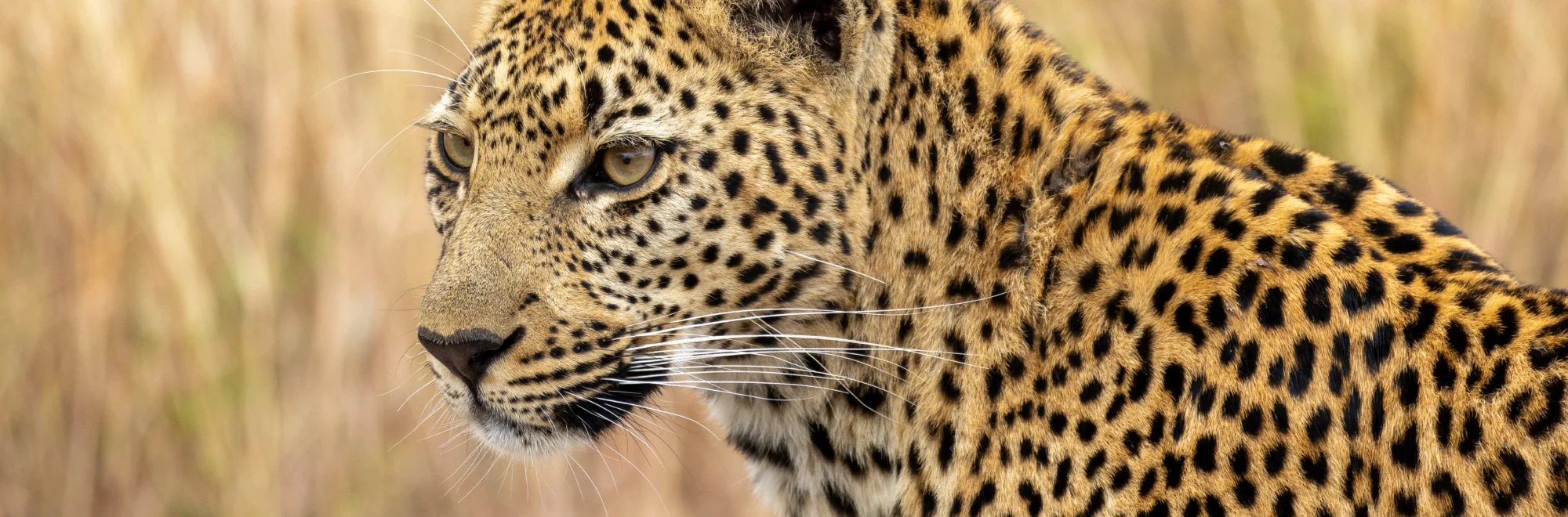
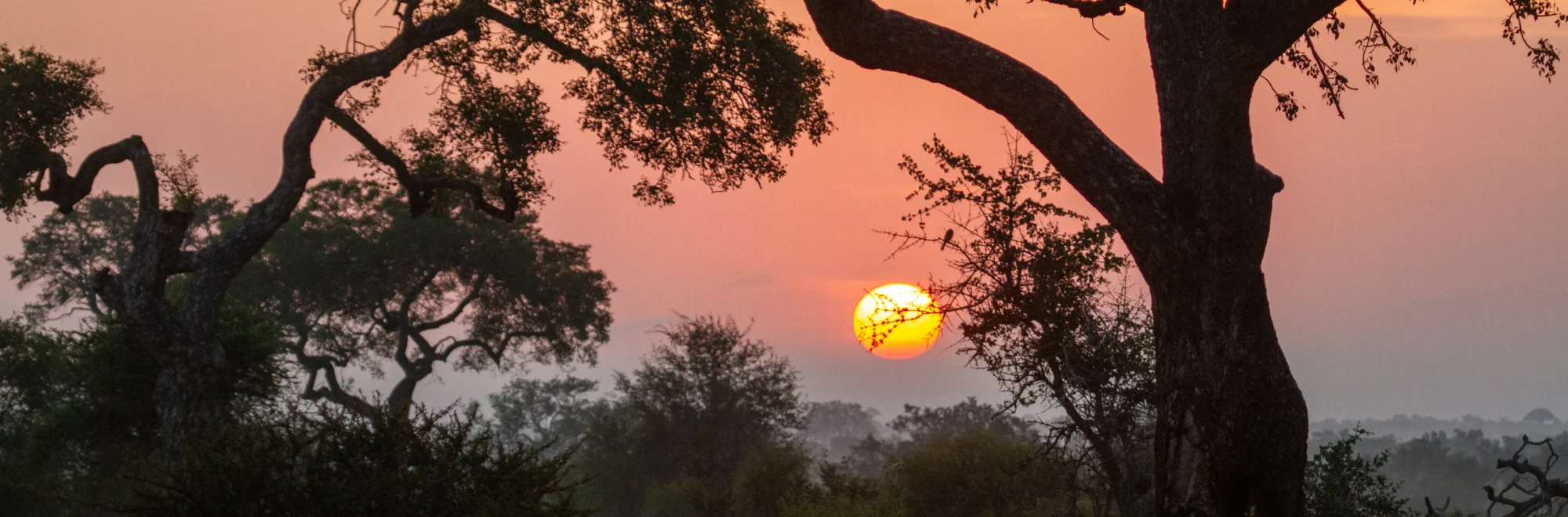
Nothing compares to the thrill of a game drive in Kruger. I still remember my first one — the cool morning air, the smell of dust and dew, and that sudden, heart-stopping moment when a lion emerged from the bush just a few metres away. Whether you’re exploring at sunrise or setting out in the late afternoon as the sky turns orange and pink, every drive is unpredictable. Sometimes you’ll find elephants crossing one of the park’s big bridges, sometimes a leopard draped over a tree branch, and sometimes it’s just the stillness that stays with you.
Bush Walks
Walking through the African bush is a completely different kind of safari. On foot, every sound feels amplified — the rustle of leaves, the distant snort of an impala, the crunch of sand under your boots. A guided bush walk teaches you to notice the small things: animal tracks, nesting birds, even the shape of mopani leaves that shimmer in the sunlight. It’s humbling and grounding — a reminder that you’re a guest in nature’s home.
Birding
Kruger isn’t only about the Big Five. Some of my favourite moments come from simply watching the smaller, quieter creatures — a lilac-breasted roller flashing its colours in flight or a fish eagle calling over the river. The variety of birdlife here is astonishing, especially in summer when the park comes alive with migratory species.
Beyond the park
Just beyond Kruger’s gates, the adventure keeps going. The Panorama Route winds through misty mountains, lush forests, and sheer cliffs — highlights include God’s Window and the majestic Blyde River Canyon. Hike hidden trails to waterfalls, drift along Blyde Dam with hippos and crocs nearby, or take in the view from a hot air balloon or helicopter.
Near Hoedspruit, Moholoholo Wildlife Centre offers close encounters with rescued animals, while Kinyonga Reptile Park showcases snakes, lizards, and other local creatures. For a slower pace, enjoy the cafés and restaurants in Hazyview or Hoedspruit, where traditional South African dishes meet cozy bushveld settings. Thrill-seekers can raft the Sabie or Blyde Rivers for a splash of adventure.
From quiet hikes to heart-pumping experiences, the Greater Kruger region is full of ways to explore, taste, and feel the wild beauty beyond the safari vehicle.
Getting There & Transfers
Planning a private Kruger safari is exciting — and getting there is easier than many travelers expect. Whether you prefer the comfort of a private transfer, the freedom of a self-drive adventure, or the convenience of a short flight, there are several reliable ways to reach the park.
By Air — The Fastest and Most Comfortable Option
If you’re short on time or alternatively simply want to start your safari adventure in comfort, flying into Kruger National Park is by far the easiest and most scenic option. In fact, daily flights connect Johannesburg, Cape Town, and Durban with the park’s three main gateway airports; each of which offers a slightly different experience depending on where you’re headed.
Skukuza Airport (SZK)
Tucked right inside the park itself, Skukuza is where your safari begins the moment you land. The tiny terminal is surrounded by bushveld, and it’s not unusual to spot impala grazing nearby as you collect your bags. Because of this, Skukuza is perfect for lodges in the southern and central regions of Kruger, with direct flights arriving daily from Johannesburg and Cape Town.
Hoedspruit Eastgate Airport (HDS)
Meanwhile, a favourite for those visiting the central or northern regions, or heading to nearby private reserves like Timbavati and Klaserie, Hoedspruit has a relaxed, small-town atmosphere and a true “bush airport” feel. In addition, from here, it’s an easy drive to several exclusive safari lodges, and the landscapes on the way are spectacular, dotted with mopani trees and distant escarpment views.
Kruger Mpumalanga International Airport (KMIA / Nelspruit)
Finally, located about 45 minutes from Phabeni Gate, this is the main gateway for the southern Kruger. The airport’s thatched-roof design gives you a taste of the safari mood right from arrival. Many travelers land here before connecting with private transfers or alternatively heading off on the famous Panorama Route, which winds through waterfalls, canyons, and mountain passes before reaching the park.
Transfers By Road
Transfers to Kruger National Park are typically arranged through outside transport operators rather than being operated directly by Avella Travels. While this option can sound like a comfortable and stress free way to begin your safari, it is important to understand what the journey really involves.
Travel from Johannesburg to Hoedspruit or Hazyview is a long drive, usually taking five to six hours and sometimes longer depending on traffic, weather conditions, and road conditions. Pick ups may take place at OR Tambo International Airport or directly from your hotel in Johannesburg, and travel is done in either private or shared vehicles operated by third party providers. Private transfers generally offer greater comfort and flexibility, while group transfers can be more tiring due to multiple pick ups, limited space, and fixed schedules.
Weather can also impact the journey, particularly during the summer months, potentially extending travel times and affecting comfort. Although the scenery changes from the open Highveld to the warmer Lowveld, this journey is best viewed as a practical transfer rather than part of the safari experience. Choosing the right transfer option can make a significant difference to how relaxed you feel on arrival.
Travel Tips
Embarking on a safari is a dream come true, but a little preparation goes a long way to make your journey smooth, comfortable, and unforgettable. Here are our top travel tips to help you get the most out of your safari experience in and around Kruger National Park.
Pack Smart, Not Heavy
When heading out on a game drive in an open safari vehicle in Kruger National Park, packing practically makes all the difference to your comfort. Neutral-colored clothing—like khaki, beige, and olive—is ideal, as it helps you blend into the surroundings and keeps the experience more natural for wildlife viewing. Because you’ll be exposed to the elements for several hours, sun protection is essential. A wide-brimmed hat, sunglasses, and a scarf or buff help shield you from both the harsh sun and the dust kicked up on gravel roads. At the same time, early mornings and late afternoon drives can be surprisingly cold, especially with the wind from the moving vehicle, so bringing layers like a warm jacket or fleece is key.
A little preparation goes a long way—keeping you comfortable, focused, and ready to fully enjoy every moment out in the bush.
Gear Up for Wildlife Photography
Your camera is your passport to lasting memories. Bring extra batteries, memory cards, and a lens suitable for wildlife—200mm or longer is ideal. Binoculars are also a must-have; they allow you to spot distant animals without disturbing them
Stay Hydrated and Snack Smart
Long game drives can leave you feeling thirsty and hungry at various points throughout the day. We recommend carrying a reusable water bottle and having light snacks on hand. At Avella Travels, we take care of this for you by providing a personal stainless steel water flask with fresh water throughout your safari, along with snacks during the drive to help keep your energy up for those unforgettable sightings.
Respect the Wildlife and the Rules
A safari is about observing nature as it unfolds, not interfering with it. At Avella Travels, this principle guides everything we do. We maintain respectful distances from wildlife, encourage quiet observation in the vehicle, and always follow ethical guiding practices. By allowing animals to behave naturally and by being patient and observant, the most rewarding sightings often happen on their own terms.
Travel Documents and Health Essentials
Ensure your passport, visas, and any necessary travel insurance are up to date. Bring a basic first aid kit and any personal medications. It’s also wise to check whether you need vaccinations or malaria prophylaxis, depending on your travel plans.
Plug points and adapters
When planning your safari, it’s worth keeping in mind that plug points in South Africa differ from those used in Europe. South Africa uses Type M plugs with three large round pins, while most European countries use smaller two-pin plugs such as Type C, E, or F.
Because of this, European travelers will need a simple travel adapter to charge their devices. It’s a small but important detail that helps ensure a smooth and stress-free trip, so you can focus on enjoying every moment of your safari experience.
Embrace the Experience
Finally, a safari is as much about slowing down as it is about spotting the Big Five. Take the time to enjoy the sounds of the bush, the golden sunsets, and the subtle movements of nature around you. These quiet moments are often the most memorable.
With a little preparation and the right mindset, your safari adventure will be smooth, safe, and absolutely magical. At Avella Travels, we’re here to make sure every detail is taken care of, so you can focus entirely on the wonder of the African bush.